

Jaw Surgery Planning in India: A Step-by-Step Guide
Learn how jaw surgery planning works in India, from online consultation and 3D surgical planning to the MIT technique and recovery, with Dr. Mathew PC.
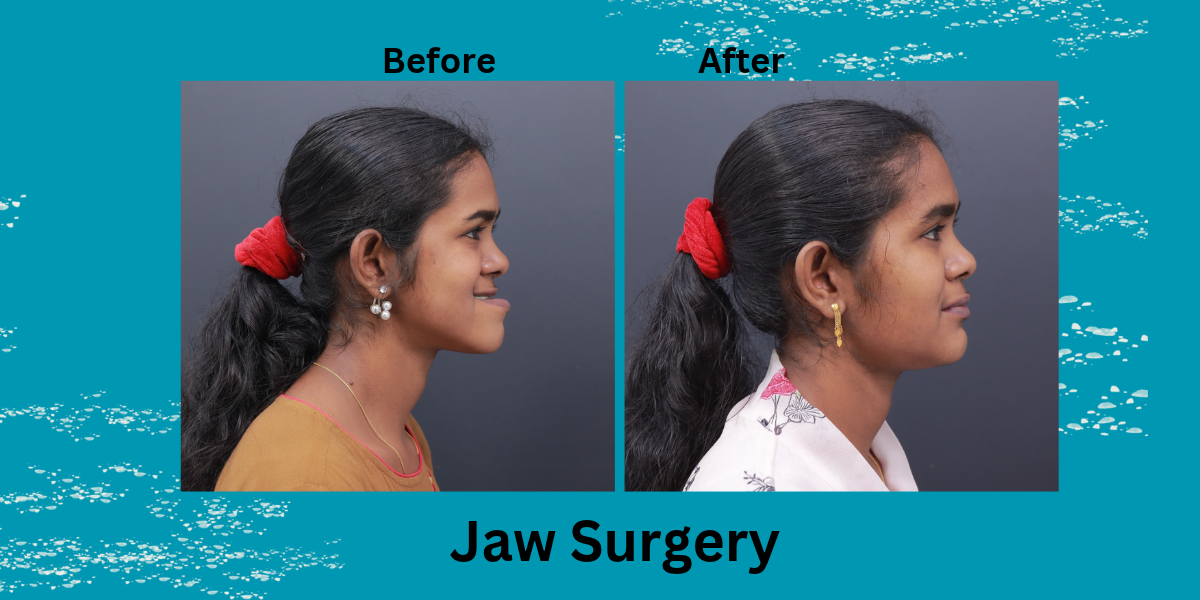
What is jaw surgery planning in India? Jaw surgery planning is the process of studying your bite, jaw bones and facial balance before corrective jaw surgery. It usually includes consultation, examination, imaging, 3D surgical planning and orthodontic coordination, so Dr. Mathew PC can prepare a clear, personalised plan for patients in India and around the world.
Whether you live in India or abroad, considering jaw surgery raises many questions. Dr. Mathew PC, a facial cosmetic and jaw surgeon at Newface Clinic, Chengannur, Kerala, consults patients from different countries. This guide explains each step in simple words, from first enquiry to recovery.
In this guide
- What is jaw surgery planning in India and why does it matter?
- Who needs corrective jaw surgery?
- What is the MIT technique in jaw surgery?
- What are the steps in jaw surgery planning in India?
- How does 3D surgical planning help?
- How long does jaw surgery planning take?
- What to expect: surgery day, hospital stay and recovery
- What are the risks, and who may not be suitable?
- Why plan with an experienced surgeon?
- Frequently asked questions
What is jaw surgery planning in India and why does it matter?
Jaw surgery planning is the step-by-step study of your face, bite and jaw bones before surgery. It helps the surgeon decide what needs to change and how to move the jaws safely, protecting function and facial balance. Careful planning may help make surgery more predictable. Doctors also call it orthognathic surgery planning.
Who needs corrective jaw surgery?
Corrective jaw surgery may be considered for adults whose upper and lower jaws do not line up well, causing difficulty with chewing, speech or breathing, or visible facial imbalance. Whether surgery suits you is decided only after a clinical evaluation, as braces alone may not correct a problem rooted in the jaw bone.
Common reasons include:
- Underbite: the lower jaw sits ahead of the upper jaw
- Overbite: the upper teeth overlap the lower teeth
- Open bite: the front teeth do not meet
- Facial asymmetry: one side of the jaw looks different
What is the MIT technique in jaw surgery?
MIT stands for Minimally Invasive Technique, a newer approach used by Dr. Mathew PC. Unlike the conventional open incision approach, it is performed without external surgical cuts, as applicable to the technique, and is designed to make surgery and recovery gentler. These are the goals of the technique, not guarantees, and results vary from person to person.
Key benefits of the MIT technique
- Less swelling after surgery.
- Reduced pain after the operation.
- Faster recovery, with progress seen within approximately one week in suitable cases.
- Discharge within one day in suitable cases.
- No external surgical cuts or conventional open incisions, as applicable to the technique.
- No visible external scars or marks, because no external cuts are made.
Suitability for MIT is decided only after clinical evaluation.
What are the steps in jaw surgery planning in India?
Jaw surgery planning follows seven steps: enquiry, consultation mode, booking, initial consultation, further evaluation, 3D surgical planning, and surgery with follow-up. Each builds on the one before, so decisions are made with full information.
1. Initial Enquiry
Contact Newface Clinic through the contact page to share your concern. Patients from India and other countries are welcome.
2. Consultation Mode
Choose an online consultation, which suits patients living abroad or far away, or an in-person visit at Newface Clinic, Chengannur, Kerala.
3. Consultation Booking
Request your preferred mode and date through the clinic. The team will confirm your appointment.
4. Initial Consultation
Dr. Mathew PC listens to your concerns and goals, examines your face, bite and jaw movement, and explains whether jaw surgery may suit you.
5. Further Evaluation and Planning
X-rays or CT scans, bite and facial analysis, medical records and orthodontic coordination help build your plan.
6. 3D Surgical Planning
Scan data is used to plan jaw movements on a computer and preview your expected post-surgical facial structure before surgery.
7. Surgery and Follow-up
Once the plan is final and you decide to proceed, surgery is scheduled, followed by regular reviews to check healing.
How does 3D surgical planning help?
3D surgical planning uses your scans to create a virtual model of your jaws and face. It helps you see how your facial structure may look after surgery, even before the procedure. The preview shows an expected outcome, and results vary from person to person.
- Understanding your jaw structure: the model shows how your jaws sit today.
- Visualising the expected outcome: you can preview likely changes.
- Planning jaw movements: the surgeon plans the required movements in advance.
- Better communication: you and the surgeon discuss the plan together.
How long does jaw surgery planning take?
There is no fixed timeline for jaw surgery planning, because it depends on each patient's condition and the complexity of the case. The exact timeline can only be decided after your initial assessment with Dr. Mathew PC. The time required may vary with:
- The complexity of the jaw condition
- Additional examinations and medical records required
- Whether extra imaging or scans are needed
- Your overall treatment requirements
What to expect: surgery day, hospital stay and recovery
Jaw surgery is performed in hospital under anaesthesia, and recovery happens in stages. Your surgeon will give instructions specific to you.
- Before surgery: fasting instructions, medication guidance and hospital admission.
- Surgery: performed under anaesthesia, followed by monitored recovery.
- Hospital stay: with the MIT approach, next-day discharge is the aim in suitable cases, depending on your health and recovery.
- At home: follow the recommended soft or liquid diet, take adequate rest and maintain proper oral hygiene.
- Follow-up: attend scheduled reviews to monitor healing, bite alignment and orthodontic progress.
What are the risks, and who may not be suitable?
Like any surgery, jaw surgery has risks, including swelling, bruising, bleeding, infection, numbness in the lip or chin, and bite changes that need adjustment. Your surgeon explains your personal risks before you decide, and some people may not be suitable.
Surgery may not be advised when:
- A medical condition makes anaesthesia unsafe
- Habits such as smoking could slow healing
- The jaws are still growing
- Expectations go beyond what surgery can realistically offer
Why plan with an experienced surgeon?
Jaw surgery changes how your teeth, bite and face fit together, so planning needs careful clinical judgement. Choose a surgeon who performs facial and jaw procedures, explains your options honestly and works with your orthodontist.
Dr. Mathew PC is a facial cosmetic surgeon and jaw surgeon at Newface Clinic, Chengannur, Kerala, who also performs procedures such as rhinoplasty. His approach is to plan each case individually and explain every step in plain language.
Frequently asked questions
Is jaw surgery painful?
Some discomfort, swelling and tightness are expected after jaw surgery, and pain levels differ from person to person. Medicines help keep you comfortable. The MIT approach aims for less pain and less swelling, but this cannot be guaranteed.
How long will I be off work?
Time off depends on your job, how you heal and the type of surgery. Desk work may resume sooner than physical work. Your surgeon will advise you after reviewing your progress, and rest supports healing, so avoid rushing back to work.
Is jaw surgery safe?
Jaw surgery is an established procedure, but like any operation it carries risks such as infection, bleeding and numbness. Safety depends on proper evaluation, careful planning and following aftercare advice. Your surgeon will explain the risks that apply to you before you decide.
Will my face look different after jaw surgery?
Moving the jaws can change facial proportions, because the face rests on the jaw bones. The degree of change depends on your plan and varies from person to person. 3D planning helps you discuss expected changes beforehand, but no result can be promised.
Will I need braces before jaw surgery?
Many people need braces or aligners so the teeth fit properly once the jaws move, but not everyone does. Your orthodontic needs are decided during planning after your bite is examined. If braces are advised, your surgeon and orthodontist coordinate the timing.
Book a consultation
Considering jaw surgery in India or from abroad? The first step is a conversation. Dr. Mathew PC can assess you, explain whether surgery may suit you, and outline the planning steps for your case. Book a consultation at Newface Clinic, Chengannur, Kerala.
Disclaimer: This content is for information only and is not a substitute for medical consultation. Whether jaw surgery or the MIT approach is suitable for you is decided only after clinical evaluation. Results vary from person to person.