

Otoplasty Before and After: Your Complete 2026 Guide
Prominent or protruding ears can affect confidence from childhood through adulthood. Otoplasty, commonly called ear pinning surgery, offers a permanent solution by reshaping, repositioning, or resizing the ears to create better facial balance and harmony.
Otoplasty Before and After: Your Complete 2026 Guide
Direct Answer:
Otoplasty (ear pinning surgery) reshapes, repositions, or resizes ears to create better facial balance. Results are permanent. You'll see improvements within 1-2 weeks post-surgery, with final results visible in 3-6 months. Incisions are hidden behind the ear (virtually invisible scars). Modern minimally invasive techniques use internal sutures to reshape cartilage without removing tissue, creating natural-looking results that last a lifetime.
Prominent or protruding ears can affect confidence from childhood through adulthood. Otoplasty, commonly called ear pinning surgery, offers a permanent solution by reshaping, repositioning, or resizing the ears to create better facial balance and harmony.
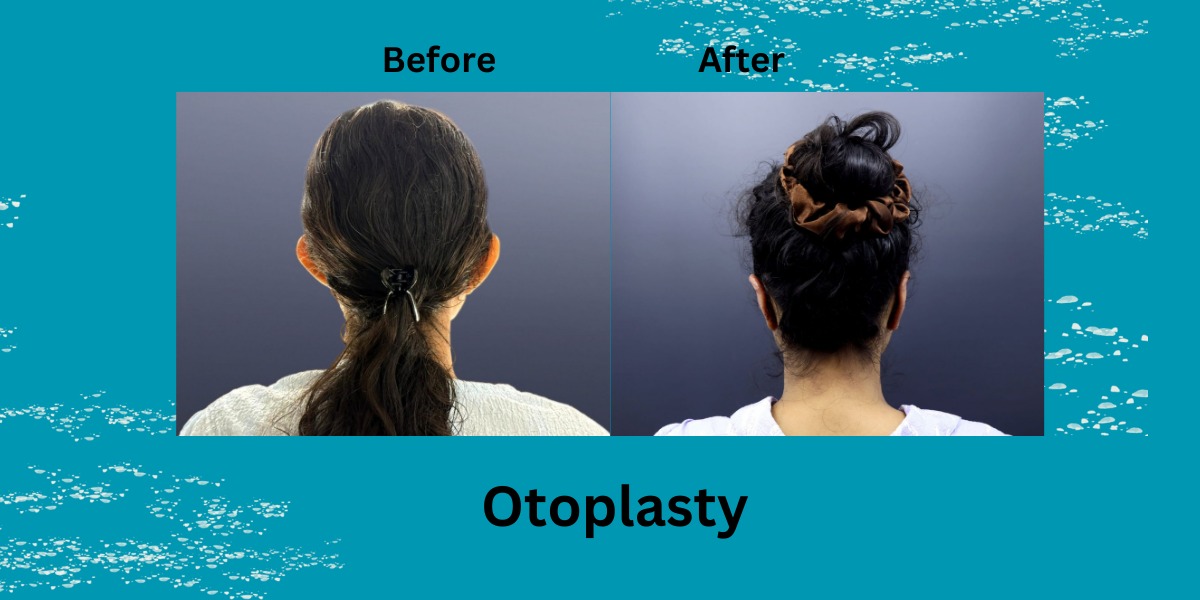
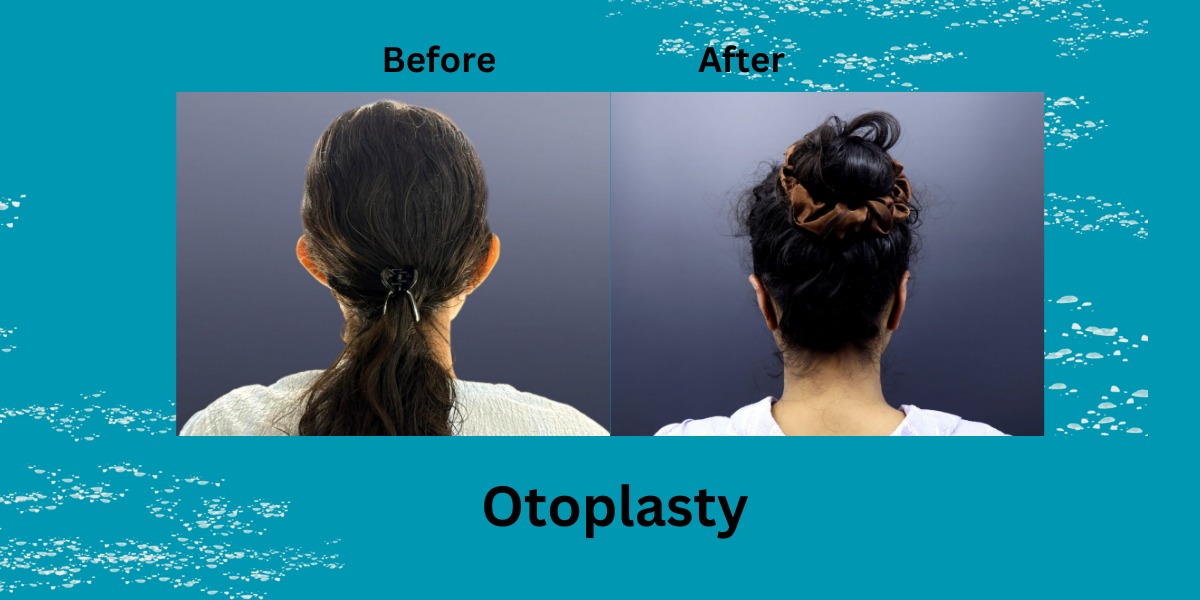
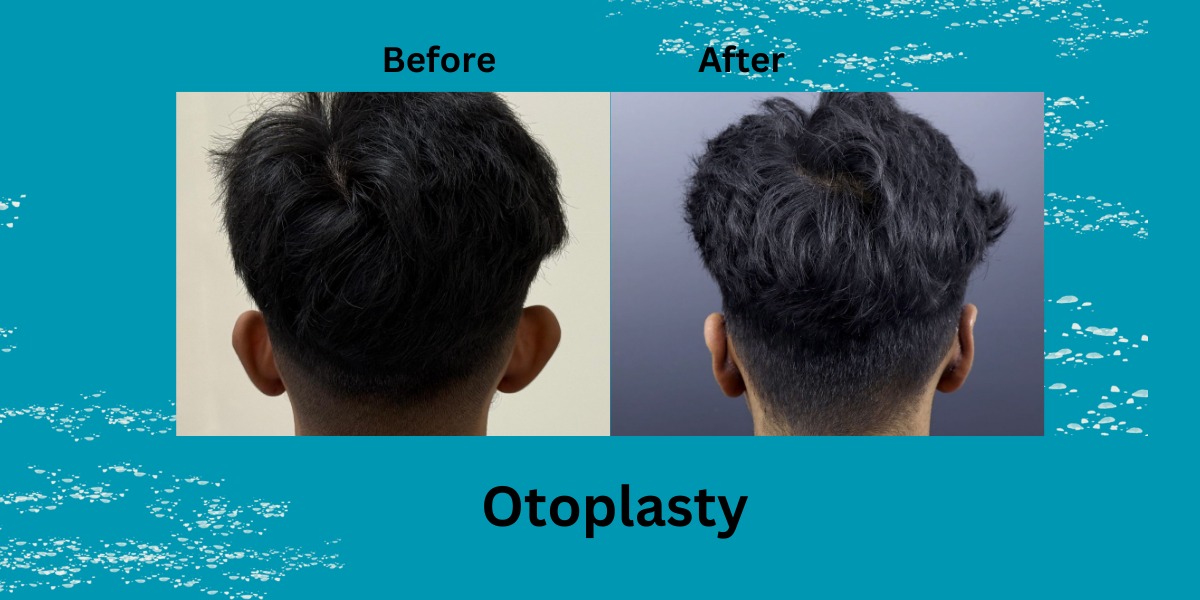
When researching this procedure, most people search for "otoplasty before and after" photos for good reason. These images provide realistic insight into what surgery can achieve, helping you visualize potential outcomes and set appropriate expectations.
What Otoplasty Corrects
Otoplasty addresses several ear concerns:
- Protruding ears (ears that stick out too far from the head)
- Asymmetry between ears
- Overly large ears (macrotia)
- Congenital deformities (birth-related ear abnormalities)
- Unusual ear shapes (cupped ears, lop ears)
The procedure modifies cartilage structure to bring ears into better proportion with your face.
Modern 2026 techniques use minimally invasive approaches with advanced cartilage reshaping methods and precise suturing that creates natural-looking results. Surgeons employ 3D imaging for pre-surgical planning and utilize dissolvable sutures that minimize follow-up visits.
Why Before and After Photos Matter
Realistic Expectations:
These photos show actual surgical outcomes rather than idealized images, helping you understand what's genuinely achievable. You'll see the scope of change possible while recognizing that results vary based on individual anatomy.
Surgeon Evaluation:
A surgeon's portfolio demonstrates their skill level, artistic vision, and consistency in delivering natural results. The quality and variety of cases reveal their experience with different ear shapes and concerns.
Emotional Confidence:
Seeing successful transformations in patients with similar concerns provides reassurance. Many patients report feeling hopeful and motivated after reviewing before-and-after galleries, knowing their concerns can be effectively addressed.
What Before and After Photos Reveal
When examining otoplasty results, you'll notice several key improvements:
Reduced Ear Projection:
Normal ears sit approximately 15-20 degrees from the head. Otoplasty brings prominent ears within this natural range. Profile views show ears sitting closer to the head, creating a streamlined silhouette.
Improved Symmetry:
Better balance is evident between both ears. Asymmetries are corrected or significantly reduced.
Enhanced Facial Proportions:
Front-view photos show ears blending harmoniously with facial features rather than immediately drawing attention. Overall facial proportions appear more balanced, with ears complementing rather than dominating your appearance.
The Consultation Process in 2026
3D Imaging and Digital Planning:
Advanced 3D imaging technology allows surgeons to create digital simulations of your potential results, helping you visualize outcomes before surgery.
Photographic Documentation:
Multiple photographic angles document your starting point; these become your "before" images.
Personalized Surgical Plan:
Your surgeon develops a plan based on your unique ear anatomy, aesthetic goals, and facial proportions.
Pre-Operative Preparation:
- Medical evaluation
- Stopping blood-thinning medications
- Following lifestyle instructions (avoiding alcohol)
- Arranging transportation for surgery day
Recovery Timeline and Results
Week 1:
- Moderate swelling is normal (ears will appear larger than final result)
- Protective bandage wraps around your head initially
- Softer headband worn at night for several weeks
- Despite swelling and bandages, you'll immediately notice ears positioned closer to your head
Weeks 2-6:
- Swelling decreases and true contour of reshaped ears becomes apparent
- Cartilage adapts to its new shape
- Initial stiffness or tenderness gradually resolves
- Ears settle into their natural position
Months 3-6:
- All swelling completely resolves
- Ears achieve their final shape and position
- These improvements are permanent—ears age naturally but maintain their corrected position for life
Modern Advantages:
Modern pain management protocols and minimally invasive techniques have significantly reduced recovery time. Internal sutures reshape cartilage without removing tissue, creating natural results with better structural support. Incisions placed in natural creases behind the ear make scars virtually invisible.
Setting Realistic Expectations
What Otoplasty Achieves:
- Reduces ear prominence
- Improves symmetry
- Reshapes overly large or oddly shaped ears
- Corrects congenital deformities
- Boosts confidence
- Results look natural and proportionate
What It Cannot Change:
- Head or face size
- Hearing conditions
- Skin texture
- Other facial features
- Note: Minor asymmetries are natural; perfection isn't the goal. Natural-looking balance is.
Achieving Natural Results
The difference between mediocre and excellent otoplasty results often comes down to surgeon selection.
Experienced specialists:
- Understand ear anatomy nuances
- Possess refined aesthetic judgment
- Create natural rather than "operated" appearances
Surgical Technique:
- Hidden incisions placed in the groove behind the ear (completely concealed from view)
- Modern otoplasty reshapes cartilage structure rather than simply stitching ears back
- Creates natural contours that hold position permanently
- Permanent internal sutures secure cartilage without visible external stitches
- Surgeons calculate ideal projection angles based on individual head shape, face width, and aesthetic goals
Factors Affecting Outcomes
Age:
Children's cartilage is more pliable, making reshaping easier. However, adult cartilage responds well to surgical techniques. Otoplasty is suitable from around age 6 (when ear growth is nearly complete) through adulthood.
Cartilage Flexibility:
Natural variation between individuals affects how cartilage responds to reshaping.
Genetics:
Influence ear structure, healing capacity, and scarring tendency.
Surgeon Expertise:
Perhaps the most critical factor. Experience, technical skill, and artistic vision significantly impact results.
Post-Operative Care:
Following post-operative instructions precisely, including wearing the protective headband and attending follow-up appointments, significantly impacts results.
Choosing Your Surgeon
When evaluating surgeons, prioritize:
- Experience with ear surgeries
- Portfolio: Review multiple before-and-after cases demonstrating consistent, natural outcomes
- Patient testimonials about communication, results satisfaction, and overall experience
- Board certification and accredited facility operation
- Qualifications: In India, look for recognitions from recognized medical boards and professional cosmetic surgery memberships
Remember: Choosing based solely on cost can compromise results. Otoplasty permanently changes your appearance—prioritize expertise and safety over savings.
Dr. Mathew PC: Leading Otoplasty Expertise in India
For patients seeking exceptional otoplasty results in India, Dr. Mathew PC stands as a premier choice.
His Qualifications:
- Extensive experience in facial plastic surgery
- Particular focus on ear reshaping procedures
- Reputation for achieving remarkably natural, harmonious results
His Approach:
- Cutting-edge surgical techniques combined with personalized care
- Customized treatment aligned with each patient's unique anatomy and aesthetic goals
- Portfolio showcasing consistently excellent outcomes
- Minimal scarring, natural ear positioning, and balanced facial proportions
- Commitment to patient safety, transparent communication, and artistic precision
Patients appreciate his thorough consultation process, which includes detailed 3D imaging and realistic outcome discussions, ensuring everyone enters surgery with clear expectations and confidence.
Watch Otoplasty Results:
https://www.youtube.com/embed/rZnah19gkTE
Frequently Asked Questions
Frequently Asked Questions
How soon can I see otoplasty results?
Most patients see clear improvements within 1-2 weeks once initial bandaging is removed. However, minor swelling continues resolving over following months, with final results fully visible in 3-6 months. The dramatic change in ear position is immediately apparent, even during early recovery.
Are otoplasty results permanent?
Yes, otoplasty results are permanent when performed by an experienced surgeon using proper techniques. The reshaped cartilage maintains its new position for life. Your ears age naturally like the rest of your body but continue sitting closer to your head as achieved through surgery.
Will scars be visible?
No, incisions are typically placed behind the ear in natural creases, making scars virtually invisible. Even in close-up photos taken shortly after healing, scars remain hidden from view. Within months, scars fade to thin, barely perceptible lines that only you and your surgeon will know about.
Can both children and adults undergo otoplasty?
Yes, otoplasty is suitable from around age 6 (when ear growth is nearly complete) through adulthood. Many parents choose to have children undergo the procedure before school age to prevent potential teasing. However, otoplasty is equally common among adults who have lived with ear concerns for years and finally decide to address them.
How do I know if my results are normal during recovery?
Temporary swelling, bruising, tenderness, and mild discomfort are completely normal during the first few weeks. Your ears may feel stiff or numb initially. Contact your surgeon immediately if you experience severe or increasing pain, signs of infection (fever, excessive redness, discharge), significant asymmetry that worsens rather than improves, or any concerns about your healing progress.
Your Journey Forward
Otoplasty in 2026 represents the perfect intersection of art and science. Advanced techniques, 3D planning, minimally invasive approaches, and refined methods achieve remarkably natural results with faster recovery and minimal scarring.
The before-and-after photos tell a powerful story: otoplasty significantly improves ear prominence, creates facial balance, and boosts confidence without creating an "operated" appearance. The key lies in choosing an experienced surgeon who understands the balance between correction and avoiding overcorrection.
Whether you're a parent considering otoplasty for your child or an adult finally ready to address long-standing concerns, understanding the realistic timeline, recovery process, and expected outcomes empowers informed decision-making.
Schedule a consultation with Dr. Mathew PC, who can evaluate your unique ear structure, show relevant case examples, and develop a personalized surgical plan tailored to your aesthetic goals.
Connect With Us
Follow our work and patient transformations:
- Instagram: https://www.instagram.com/drmathewpc/
- Facebook: https://www.facebook.com/newfacemalakkara
- YouTube: https://www.youtube.com/@DrMathewPC
Contact New Face Centre
📍 India – Chengannur Location
8J4F+X7X, Hatchery Junction
Chengannur, Kerala 689122
📍 Africa
Coming Soon
📞 +91 8330077198more about instagram , facebook