

Facial Harmony: Understanding the Golden Ratio in Facial Surgery
Facial harmony in surgery is achieved by balancing facial features using the Golden Ratio. This guide explains how the Golden Ratio helps surgeons plan facial, jaw, and nose corrections for natural, functional, and aesthetically balanced results.

What Makes a Face Universally Attractive?
While beauty remains subjective, facial surgeons and aesthetic experts have long relied on mathematical principles to create naturally balanced and harmonious results. The golden ratio, a mathematical concept dating back to ancient Greece, has become a fundamental tool in modern facial surgery, guiding surgeons in achieving optimal facial aesthetics and natural-looking transformations.
What is the Golden Ratio in Facial Surgery?
The golden ratio, approximately 1.618 and often represented by the Greek letter phi (φ), is a mathematical proportion found throughout nature, art, and architecture. From the spiral of a seashell to the arrangement of flower petals, this ratio appears repeatedly in naturally occurring patterns that humans find aesthetically pleasing.
When applied to facial aesthetics, the golden ratio helps maxillofacial surgeons evaluate facial proportions and create harmonious surgical outcomes. In facial surgery, this principle translates into specific measurements and proportions between facial features. The width of the nose, for instance, should ideally match the distance between the eyes. The face can be divided into thirds vertically—from the hairline to the eyebrows, eyebrows to the bottom of the nose, and nose to the chin—with each section contributing to overall facial balance.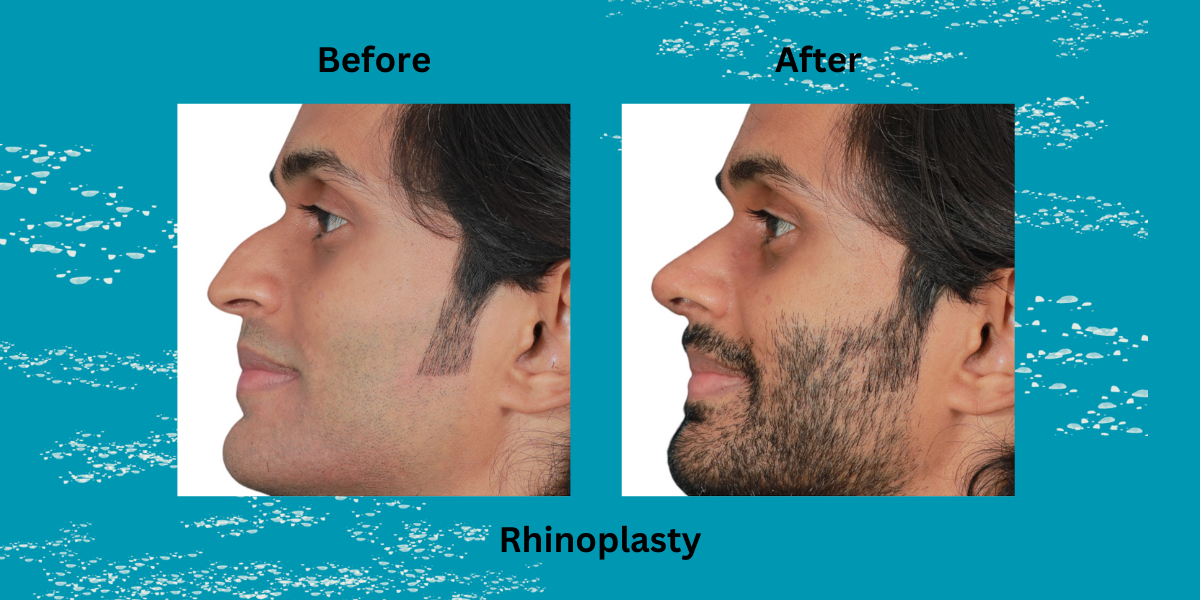
How is the Golden Ratio Applied in Rhinoplasty?
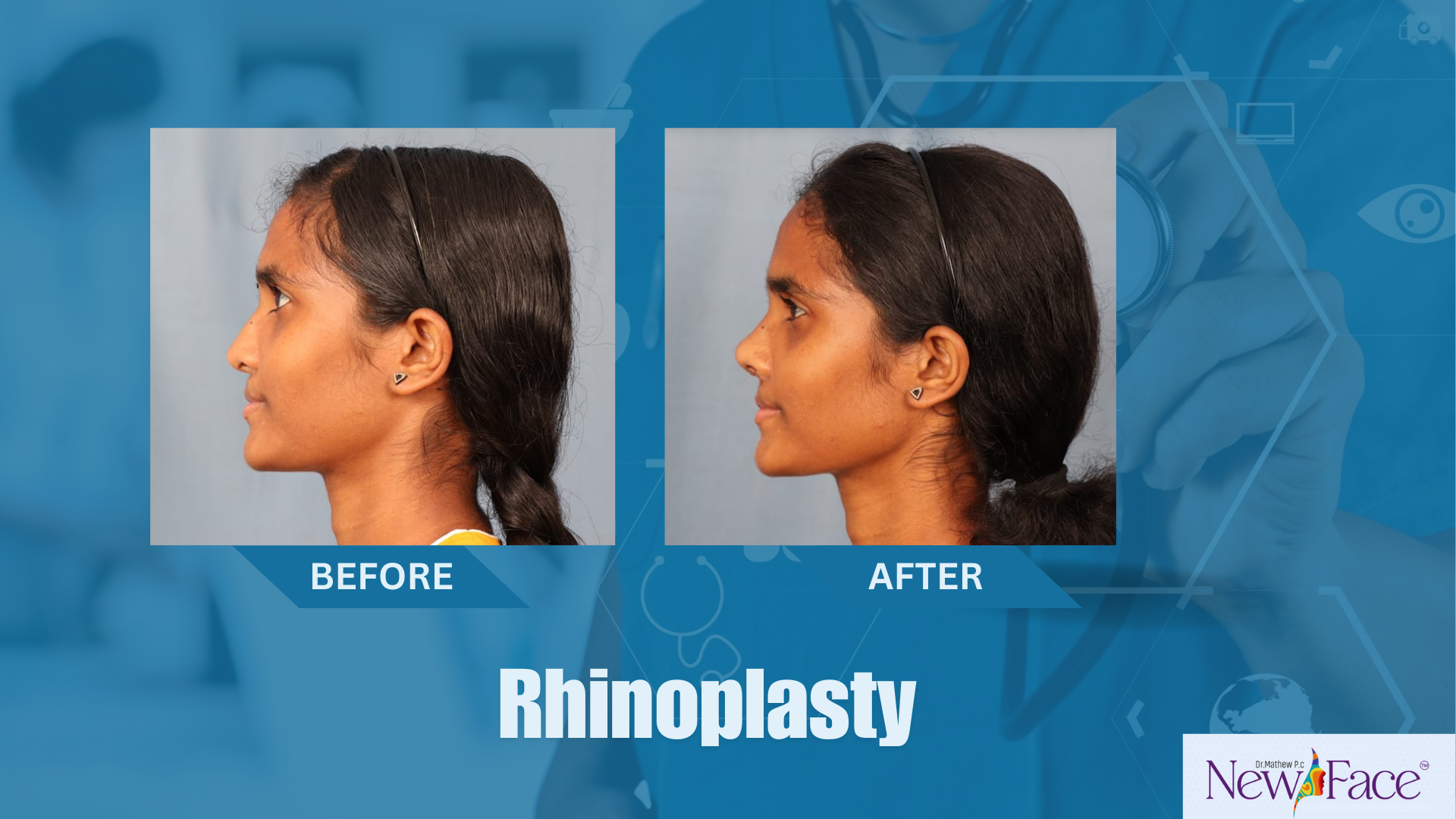
Rhinoplasty procedures heavily rely on golden ratio principles to achieve natural-looking nose reshaping results. The ideal nose width should equal approximately one-fifth of the face width, while the nasal tip projection should maintain specific proportions with the overall facial structure.
Surgeons performing hump reduction rhinoplasty or revision rhinoplasty carefully consider these mathematical relationships to ensure the reshaped nose complements the patient's unique facial features rather than appearing artificially altered. Expert rhinoplasty surgeons analyze the relationship between the nose and other facial features, including the forehead, chin, and cheeks. This comprehensive approach ensures that changes to the nasal structure enhance overall facial harmony rather than creating imbalance.
How Does the Golden Ratio Guide Chin Surgery and Genioplasty?
Chin surgery or genioplasty exemplifies how the golden ratio guides lower facial aesthetics. The lower third of the face should maintain specific proportions with the middle and upper thirds, with the chin position playing a crucial role in facial profile harmony.
Surgeons evaluate the vertical height of the chin, its projection relative to the nose and forehead, and the angle formed between the chin, neck, and jaw. By applying golden ratio measurements, facial surgeons can determine whether a chin needs advancement, reduction, or vertical adjustment to achieve optimal facial balance and improve profile aesthetics.
What Role Does the Golden Ratio Play in Jaw Surgery?
Jaw surgery or orthognathic surgery addresses functional and aesthetic concerns related to jaw misalignment. The golden ratio helps surgeons plan surgical movements that correct bite issues while simultaneously enhancing facial proportions. Proper jaw positioning influences the lower facial third, affecting chin projection, lip position, and overall facial profile.
Patients undergoing jaw surgery for conditions like facial asymmetry benefit from golden ratio analysis, as surgeons can identify imbalances and plan corrections that restore both function and aesthetic harmony.
How is the Golden Ratio Used in Face Sculpting and Facial Contouring?
Modern face sculpting techniques incorporate golden ratio principles to refine facial contours through procedures like jawline implants, zygoma implants, and facial asymmetry correction. These procedures enhance specific facial features while maintaining natural proportions and avoiding an overdone appearance.
Facial contouring surgeons evaluate the relationship between the cheekbones, jawline, and chin to determine how implants or bone reduction procedures can improve overall facial structure. The goal remains creating balance rather than dramatically altering individual features.
What Does Science Say About the Golden Ratio and Facial Attractiveness?
Research in facial aesthetics demonstrates that faces conforming more closely to golden ratio proportions are generally perceived as more attractive across different cultures. However, expert facial surgeons recognize that mathematical precision alone cannot define beauty. Ethnic diversity, individual facial characteristics, and personal aesthetic goals all influence surgical planning.
Maxillofacial surgeons combine golden ratio measurements with artistic judgment and extensive anatomical knowledge to create personalized treatment plans. Advanced imaging technology allows patients to visualize potential surgical outcomes while ensuring realistic expectations about their facial transformation journey.
Is the Golden Ratio the Only Factor in Facial Surgery Planning?
While the golden ratio provides valuable guidance, experienced surgeons understand that successful facial surgery requires balancing mathematical ideals with individual characteristics. What works beautifully for one patient may not suit another, making thorough consultation and personalized surgical planning essential.
Procedures like cleft lip and palate correction, otoplasty, and sleep apnea correction prioritize functional outcomes alongside aesthetic improvements. In these cases, surgeons apply golden ratio principles where appropriate while focusing primarily on restoring normal function and improving quality of life.
The most successful facial surgery outcomes occur when surgeons blend technical expertise, artistic sensibility, and personalized care. By understanding each patient's unique facial anatomy, aesthetic goals, and ethnic background, skilled surgeons create results that look natural, balanced, and harmonious—whether performing primary procedures or complex revision surgeries.
Why is the Golden Ratio Important in Modern Facial Surgery?
The golden ratio serves as a powerful tool in facial surgery, helping surgeons achieve naturally balanced and aesthetically pleasing results. From rhinoplasty and genioplasty to comprehensive facial contouring, these mathematical principles guide surgical planning while respecting individual diversity and personal aesthetic preferences. As facial surgery continues evolving, the golden ratio remains a timeless foundation for creating facial harmony that enhances confidence and improves quality of life.
Frequently Asked Questions
Can the Golden Ratio Be Applied to All Face Shapes and Ethnicities?
The golden ratio provides general guidelines for facial proportions, but experienced surgeons adapt these principles to respect ethnic diversity and individual facial characteristics. Each patient's unique features are considered to achieve natural, harmonious results.
How Do Surgeons Measure the Golden Ratio on My Face?
Facial surgeons use advanced imaging software and clinical measurements to analyze facial proportions. They evaluate distances between features like eyes, nose width, and facial thirds to determine how closely your face aligns with ideal proportions.
Will My Face Look Unnatural if Surgery Strictly Follows the Golden Ratio?
Not at all. Skilled surgeons use the golden ratio as a guide, not an absolute rule. They balance mathematical ideals with your unique features, aesthetic goals, and natural facial structure to ensure authentic-looking results.
Which Facial Surgeries Benefit Most from Golden Ratio Principles?
Rhinoplasty, genioplasty, jaw surgery, and facial contouring procedures heavily utilize golden ratio analysis. However, most facial aesthetic procedures incorporate these principles to maintain or enhance overall facial harmony.
Is the Golden Ratio the Only Factor in Determining Facial Attractiveness?
While the golden ratio is important, facial attractiveness involves multiple factors including symmetry, skin quality, facial expressions, and individual characteristics. Experienced surgeons consider all these elements when planning procedures to achieve comprehensive aesthetic improvements.
If you are considering facial, jaw, or airway-related treatment and want expert guidance based on facial harmony and function, a personalised consultation can help you understand the right options.
📍 Consultation Location: Kerala, India
👨⚕️ Specialist: Dr. Mathew PC –
🌐 Website: https://drmathewpc.com
👉 Book an appointment through the website to discuss your concerns and receive a detailed, expert evaluation.