Chin Surgery in India: Genioplasty Types, Preparation, Recovery and Risks

Understand chin surgery (genioplasty) in India: types, who may consider it, preparation, recovery and risks.
Chin Surgery in India: Genioplasty Types, Preparation, Recovery and Risks

Chin Surgery in India

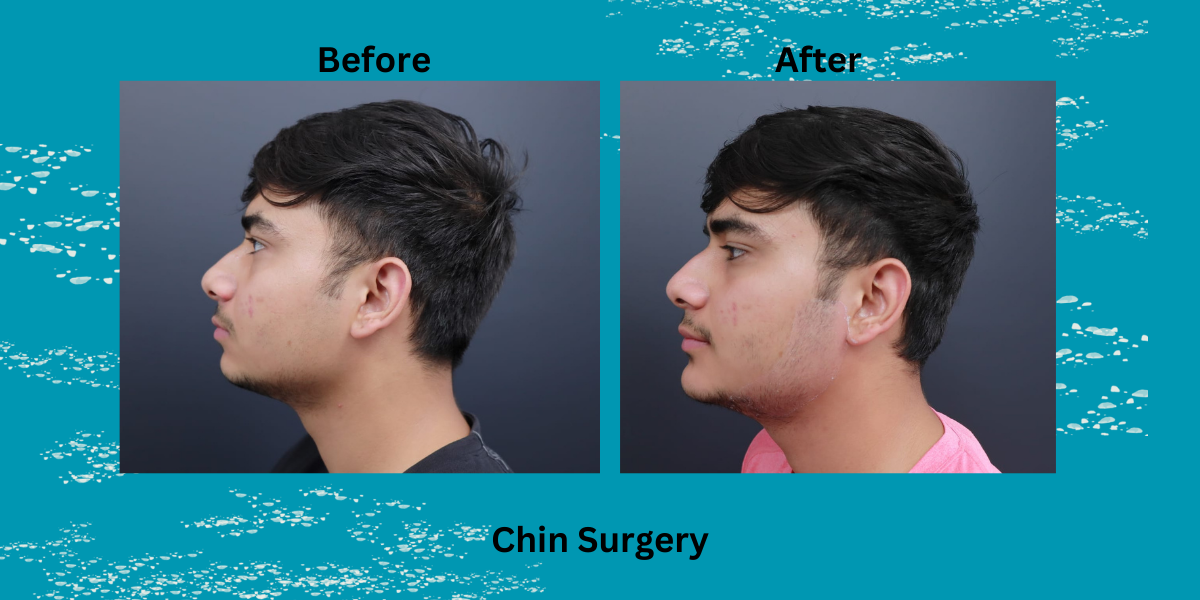
Chin surgery, medically called genioplasty, is a procedure to change the shape, size or position of the chin to improve facial balance, and sometimes function. It can move the chin bone forward, backward or sideways, add volume with an implant, or reduce a prominent chin. The right option depends on your anatomy and goals, and is decided after a consultation. This guide explains chin surgery in India: the types, who may consider it, how to prepare, recovery and risks. Chin surgery is performed by Dr. Mathew P C, an Oral and Maxillofacial Surgeon, at Newface, Chengannur, Kerala.


Also read: Genioplasty, Chin Implant Surgery in India, Benefits of Chin Surgery for Profile Improvement, Maxillofacial Surgeon in India

What Is Chin Surgery (Genioplasty)?

Chin surgery, or genioplasty, reshapes or repositions the chin so that it suits the rest of the face. It may be done for a receding chin, a prominent chin, a chin that is off-centre, or a chin that is out of proportion with the jaw and nose. In some people, the position of the chin is linked to the jaw, and the chin is treated along with jaw surgery. Where a difference between the two sides of the face is the main concern, read about facial asymmetry correction.

What Are the Types of Chin Surgery?

  1. Sliding genioplasty: the chin bone is cut and moved into a new position, and fixed with small plates and screws. It is used to bring a chin forward, move it back, lengthen or shorten it, or correct asymmetry.
  2. Chin implant (augmentation): an implant, such as silicone or porous polyethylene, is placed over the chin bone to add projection. Read more about chin implant surgery.
  3. Chin reduction: a prominent chin is reduced by reshaping or removing bone.
  4. Non-surgical chin enhancement: dermal fillers are injected to change the shape of the chin for a limited time. It is not suitable for everyone and carries risks.


The type is chosen by the surgeon after examining you and explaining the options.

Who May Consider Chin Surgery?

Adults in good general health with realistic expectations may consider chin surgery, for example if they have:

  • A receding or weak-looking chin
  • A prominent or long chin
  • A chin that is shifted to one side
  • A profile that looks out of balance with the nose or jaw
  • A chin position linked to a bite or jaw problem

A consultation is needed to confirm whether surgery suits you. In younger people, surgery is usually deferred until jaw growth is complete.

How Is Chin Surgery Planned?

  • The surgeon asks about your concerns, goals, medical history, medicines and allergies.
  • Your face, chin, bite and jaw are examined from the front and side.
  • Photographs and, where needed, X-rays or a CT scan are used to plan.
  • Virtual planning tools may be used in some cases to plan the movement or the implant size. A simulation shows a possible outcome and does not promise the result.
  • The options, alternatives, risks and limits of surgery are explained.

You can book a consultation through the Contact Us page.

How Do I Prepare for Chin Surgery?

  • Tell your surgeon about your medical history, medicines and allergies, and follow instructions on which medicines, such as blood thinners, to stop.
  • Stop smoking for the period your surgeon advises, because it slows healing.
  • Follow the instructions on eating and drinking before surgery.
  • Arrange for someone to take you home and help you for the first days.
  • Plan your recovery period, and keep any items your surgeon recommends, such as ice packs and prescribed medicines.

How Is Chin Surgery Done?


Surgery is done under anaesthesia, which may be general anaesthesia or local anaesthesia with sedation. The incision is usually made inside the mouth, behind the lower lip, so there is no scar on the outside, though some techniques use a small cut under the chin. After the bone is repositioned and fixed, or the implant is placed, the incision is closed with stitches. A dressing or tape may be applied to the chin. The time taken depends on the technique and on whether other procedures are done at the same time.
 

What Is Recovery Like After Chin Surgery?

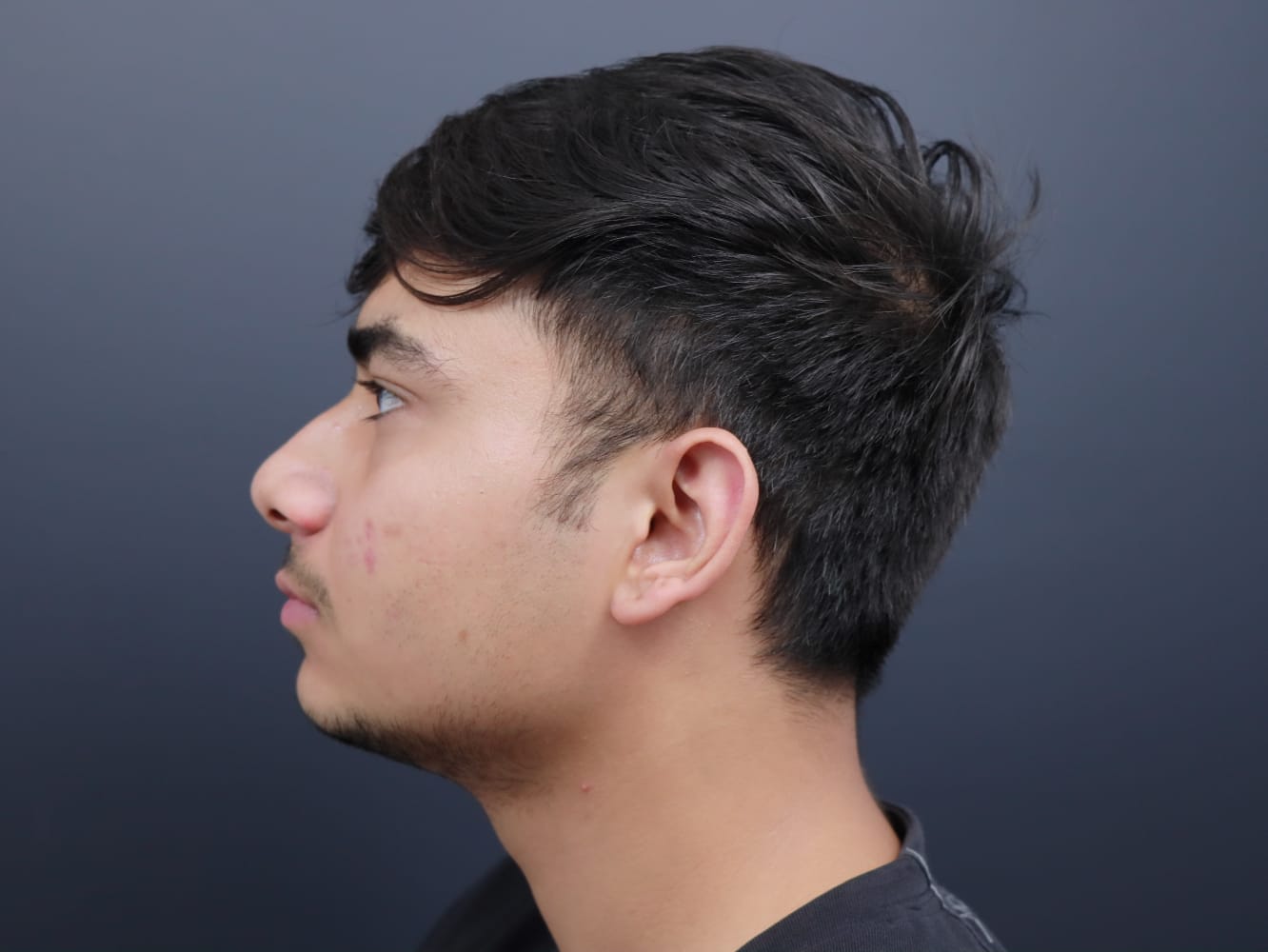
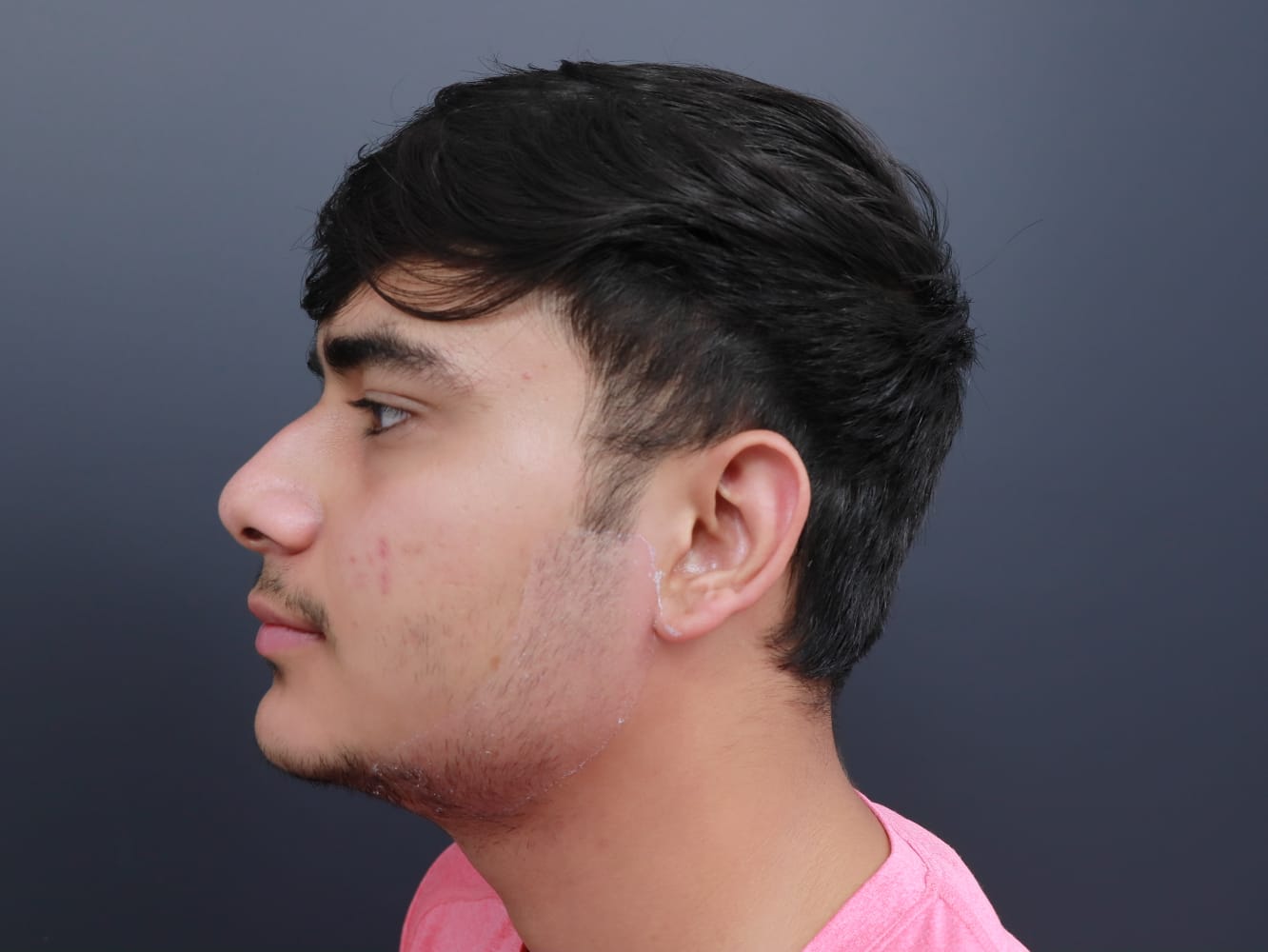
  • First days and first week: swelling, bruising and discomfort are common, and a soft diet and rest are usually advised.
  • Weeks 1 to 2: swelling starts to reduce, and many people return to light routine activities as advised.
  • Weeks 2 to 6: swelling continues to settle, and diet moves back toward normal foods as your surgeon advises.
  • Months 1 to 3 and beyond: most swelling settles, and the final shape and feel become clearer. Some swelling and numbness can take longer.

Healing tips: keep your head raised when resting, follow the diet and mouth-care instructions, take only the medicines your surgeon advises, avoid knocks to the chin, avoid smoking, and attend all follow-up visits.

Contact your surgeon if you have increasing pain or swelling, fever, bleeding that does not stop, pus or a bad taste in the mouth, or difficulty breathing.

What Are the Risks of Chin Surgery?

As with any surgery, risks include bleeding, infection, swelling, scarring, numbness or tingling of the lower lip and chin (usually improves but can last longer), asymmetry, a result that does not match your expectations, movement or shifting of the bone or implant, and the need for further surgery. Your surgeon should explain these risks before surgery. Results are not guaranteed and vary from person to person.

What Affects the Cost of Chin Surgery?

The cost depends on the type of surgery (bone repositioning, implant or reduction), whether other procedures are combined, the surgeon’s fees, the hospital, anaesthesia, imaging and follow-up. A cost estimate can be given only after you are examined.

How Do I Choose a Chin Surgeon?


  • Registration: check the surgeon’s registration number and qualifications on the National Medical Register or the State Medical Council.
  • Training: ask about training and experience in chin and jaw surgery. Genioplasty is performed by oral and maxillofacial, plastic and some other surgeons with relevant training.
  • A clear plan: the surgeon should examine you, explain the options and alternatives, and tell you the risks, recovery and follow-up.
  • Be careful with guarantees and rankings: no surgeon can guarantee a result. Testimonials and before-and-after photographs may not reflect your outcome, so do not decide on them alone. Consider a second opinion.

Frequently Asked Questions

What is chin surgery?

It is surgery to reshape, reposition or add to the chin to improve facial balance. It is also called genioplasty.

Is chin surgery only for appearance?

Many people have it for appearance. In some people, the chin position is linked to the jaw, bite or breathing, and your surgeon will say whether surgery may help with these. Read about chin surgery for sleep apnea.

Will there be a visible scar after chin surgery?

The incision is usually made inside the mouth, so there is no scar on the outside. If a cut under the chin is used, a small scar may be visible. Your surgeon will explain which is planned.

How long is recovery after chin surgery?

Swelling and bruising are usual in the first one to two weeks, and many people return to light routine activities in that time. Swelling can take months to settle fully.

Are the results of chin surgery permanent?

Bone repositioning and implants are long-lasting. Fillers are temporary. Natural ageing can bring small changes over time.

Can chin surgery improve the jawline?

Changing the chin can change the lower face profile and the look of the jawline. How much depends on your anatomy and the plan.

Is non-surgical chin enhancement an option?

Dermal fillers can change the shape of the chin for a limited time. They are not suitable for everyone and carry risks, including, rarely, serious complications. Your surgeon can explain if it suits you.

How long does chin surgery take?

It depends on the technique and on whether other procedures are done together. Your surgeon will give an idea after planning.

More questions are answered on the FAQ page. See all procedures offered at Newface.

Information provided by: Dr. Mathew P C, [QUALIFICATIONS], Oral and Maxillofacial Surgeon. Registration status: [REGISTERED]. [STATE MEDICAL COUNCIL / NATIONAL MEDICAL REGISTER] registration no.: [NUMBER].

This page provides general health information for education only. It is not a substitute for medical advice and does not promise or guarantee any result. Outcomes vary from person to person.

Newface, 8J4F+X7X, Hatchery Junction, Chengannur, Kerala 689122. Phone: +91 8330077198

Follow Newface: Instagram | Facebook | YouTube