

Do I Need Jaw Surgery for Sleep Apnea? | Kerala Specialist Guide
Understand when jaw surgery is needed for sleep apnea and how minimally invasive airway correction is performed safely by Dr. Mathew PC in Kerala.
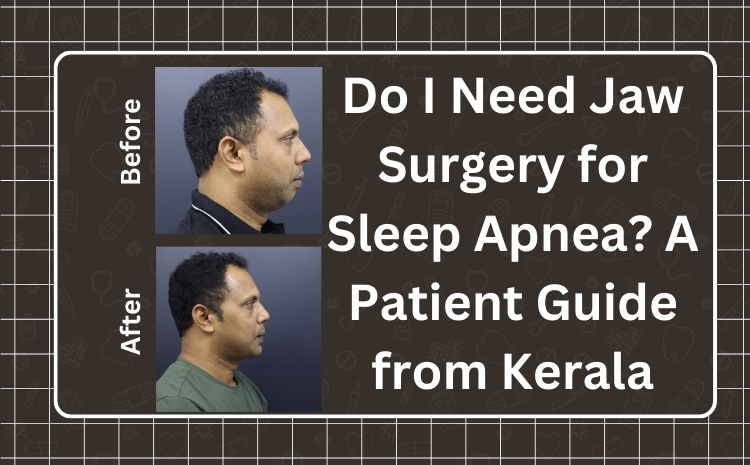
Do I Need Jaw Surgery for Sleep Apnea? A Patient Guide from Kerala
Direct Answer:
Jaw surgery may be considered for selected patients with obstructive sleep apnea when jawdeficiency causes airway obstruction and non-surgical treatments (CPAP, oral appliances) have failed or are poorly tolerated. The decision requires proper evaluation confirming structural airway obstruction.
Sleep apnea is not just about loud snoring. For many people, it silently affects breathing, sleep quality, heart health, and daily energy.
A common question patients ask—especially after failed CPAP or dental treatments—is: "Do I need jaw surgery for sleep apnea?"
This guide explains the condition, who may need surgical correction, and how Dr. Mathew PC, a senior Oral & Maxillofacial Surgeon in Kerala, approaches advanced airway-focused treatment with precision and safety.
What Sleep Apnea Really Means
Sleep apnea happens when your airway collapses or becomes blocked repeatedly during sleep. This leads to:
- Interrupted breathing
- Low oxygen levels
- Poor quality sleep—even after 8 hours
In many patients, the jaw position plays a direct role in narrowing the airway, especially during deep sleep. This is why jaw-related solutions are sometimes considered—not for everyone, but for the right patients.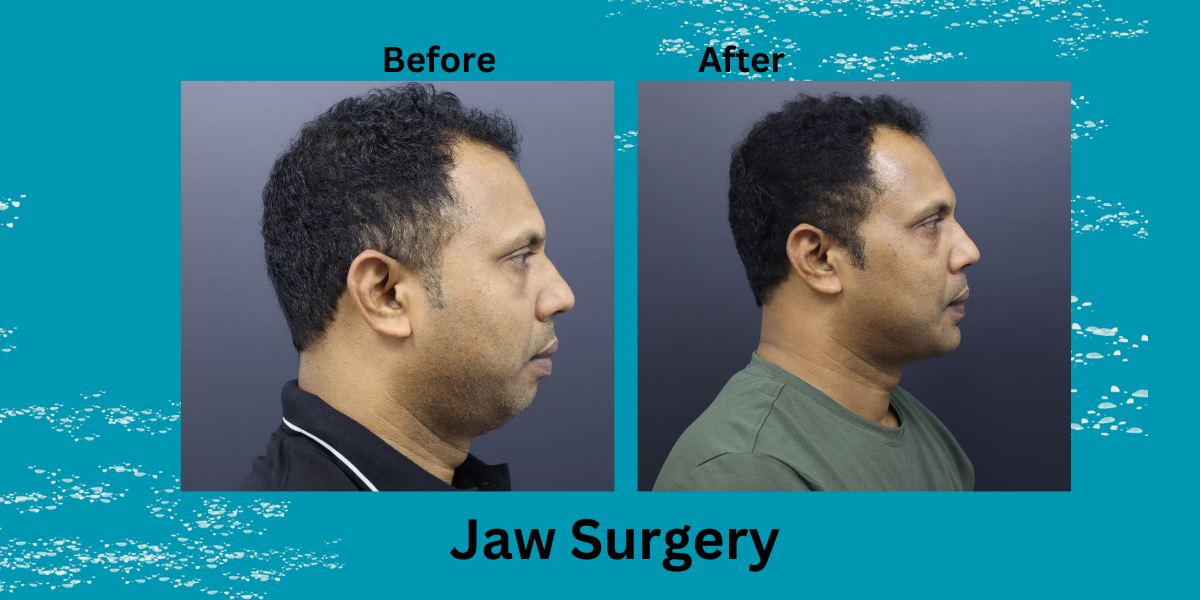
Do I Need Jaw Surgery for Sleep Apnea? Understanding When Surgery Is Recommended
Direct Answer:
Not all sleep apnea cases need surgery. Jaw surgery is considered only when:
- The lower jaw sits too far back
- The upper and lower jaws restrict airway space
- Non-surgical treatments (CPAP, oral appliances) fail or are poorly tolerated
Jaw advancement surgery works by permanently increasing airway volume, allowing normal breathing during sleep. This is functional airway correction—not cosmetic surgery.
Who May Actually Need This Treatment?
You may be evaluated for jaw-based sleep apnea treatment if you experience:
Night-time Symptoms:
- Loud snoring with pauses in breathing
- Choking or gasping during sleep
- Restless or fragmented sleep
Day-time Symptoms:
- Excessive daytime sleepiness
- Morning headaches
- Poor focus or memory
- Fatigue despite adequate sleep
Medical Indicators:
- Moderate to severe obstructive sleep apnea on sleep study
- CPAP intolerance or failure
- Narrow airway seen on scans
- Receded jaw or facial imbalance linked to airway collapse
A detailed evaluation is essential before any surgical discussion.
Video: Understanding Sleep Apnea and Jaw Surgery
https://www.youtube.com/embed/ghmF1Qi9KXc?si=UllTW0351D8ta6EX
Advanced Treatment Approach by Dr. Mathew PC
Dr. Mathew PC follows a structured, airway-first evaluation protocol rather than a one-size-fits-all approach.
What Is MIT (Minimally Invasive Technique)?
MIT stands for Minimally Invasive Technique, a modern approach to jaw surgery focused on correcting airway obstruction with maximum safety and faster recovery.
In this approach, minimally invasive jaw surgery is performed using advanced planning and keyhole techniques.
Key Features of MIT:
- Minimal incisions (no external facial scars)
- Keyhole jaw surgery performed entirely through the mouth
- Shorter surgery time
- Minimal swelling
- Faster recovery, usually within 1 week
- Two-day hospital stay
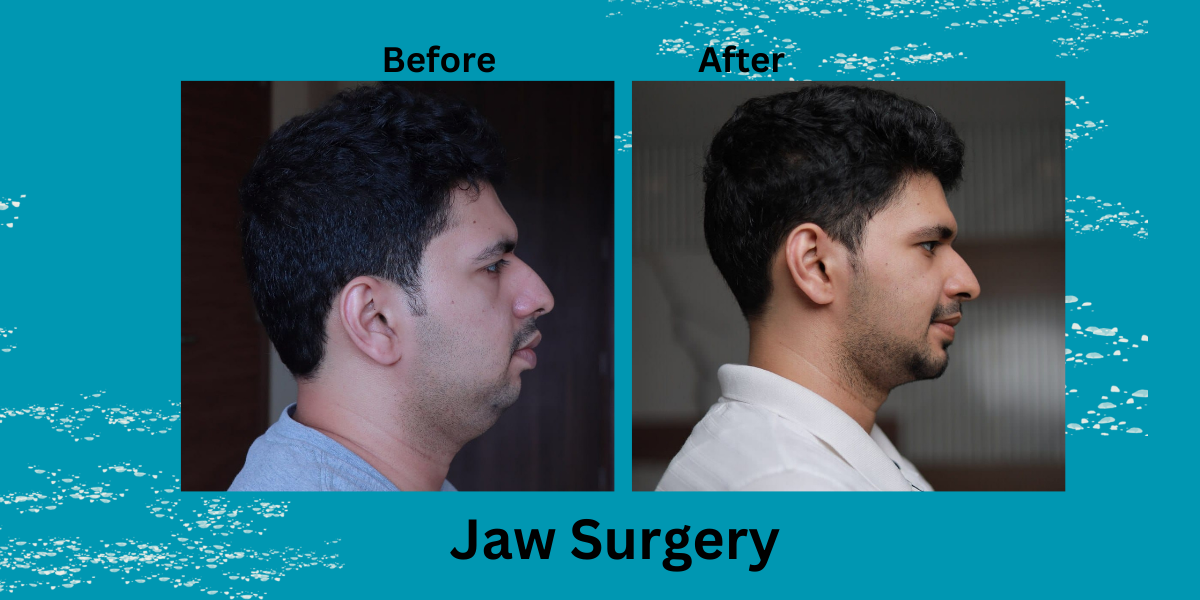
This advanced MIT-based approach is a specialty of New Face and is currently available only under Dr. Mathew PC, combining airway correction with precision and safety.
Why Expertise Matters in Jaw-Based Sleep Apnea Treatment
Jaw surgery for sleep apnea requires more than surgical skill. It demands:
- Deep understanding of airway anatomy
- Experience in facial balance and bite correction
- Precision planning to avoid long-term complications
Dr. Mathew PC has extensive experience in:
- Facial skeletal corrections
- Airway-related jaw procedures
- Treating both functional and aesthetic concerns together
This combination is critical for safe and predictable outcomes.
Recovery, Safety, and What Patients Should Expect
Hospital Stay:
- Short, planned admission under expert monitoring
Initial Recovery:
- Minimal swelling
- Painless recovery with modern care protocols
Return to Routine:
- Gradual return to daily activities
- Full recovery varies by individual case
Long-Term Expectations:
- Improved sleep quality
- Reduced apnea episodes
- Better daytime energy and focus
Every patient receives personalized guidance throughout recovery.
Frequently Asked Questions
Do I need jaw surgery for sleep apnea if CPAP doesn't work?
Not always. Surgery is considered only after detailed evaluation confirms jaw-related airway obstruction. Other options may be suitable for you.
Is jaw surgery a permanent solution for sleep apnea?
For selected patients, it can provide long-term airway improvement. Outcomes depend on proper diagnosis and planning.
Will jaw surgery change my face?
Jaw position changes are planned carefully to maintain natural facial balance while improving airway function.
Is this treatment available in Kerala?
Yes. Advanced airway-focused jaw evaluations and treatments are available under experienced specialists like Dr. Mathew PC.
Final Thoughts: When to Seek Expert Advice
If sleep apnea continues to affect your health, energy, or quality of life—and standard treatments haven't helped—it may be time to ask:
"Do I need jaw surgery for sleep apnea?"
A personalized consultation with Dr. Mathew PC can help you understand whether structural correction is necessary or if other options are better suited for you.
Contact at 8330077198 and book an online consultation with Dr. Mathew PC today!
Patient Testimonials
https://www.youtube.com/embed/S7BH8dyshdI
India
8J4F+X7X, hatchery junction, Chengannur, Kerala 689122
Africa
Coming Soon