

Who Is the Best Maxillofacial Surgeon in India?
Trusted by patients across the globe, Dr. Mathew PC is India’s best maxillofacial surgeon for jaw correction, facial surgery, and cleft repair.
Who Is the Best Maxillofacial Surgeon in India?
Quick Answer: How to Choose the Right Maxillofacial Surgeon in India
A maxillofacial surgeon is a specialist who diagnoses and treats conditions related to the mouth, jaw, face, and facial structures. When searching for the best maxillofacial surgeon in India, patients should consider specialist qualifications, experience with specific procedures, surgical facilities, treatment approach, and patient care.
The right surgeon depends on your individual condition and treatment requirements. A qualified oral and maxillofacial surgeon should have specialised training and experience in managing complex facial, jaw, and oral conditions.
Choosing a maxillofacial surgeon is an important decision because these specialists deal with complex conditions affecting facial structure, jaw function, and oral health.
Patients searching for the best maxillofacial surgeon in India often want to understand the surgeon’s qualifications, expertise, experience, and ability to handle advanced procedures.
Don't base your decision solely on online rankings. Patients should evaluate factors such as:
-
Specialist surgical qualifications
-
Experience with the required procedure
-
Hospital facilities
-
Treatment planning approach
-
Patient communication and follow-up care
What is a Maxillofacial Surgeon?
An oral and maxillofacial surgeon is a specialist trained to diagnose and treat conditions affecting the mouth, jaws, face, and facial structures.
The field of maxillofacial surgery combines knowledge of dentistry, medicine, and surgical sciences.
These specialists manage conditions involving:
-
Jaw development and alignment
-
Facial injuries
-
Facial bone problems
-
Oral and facial infections
-
Facial reconstruction
-
Corrective facial procedures
Unlike general dental treatments, maxillofacial surgery often involves complex procedures that require detailed diagnosis, surgical planning, and specialised expertise.
What Does a Maxillofacial Surgeon Treat?
Maxillofacial surgeons treat a wide range of conditions affecting the facial region.
Corrective Jaw Surgery (Orthognathic Surgery)
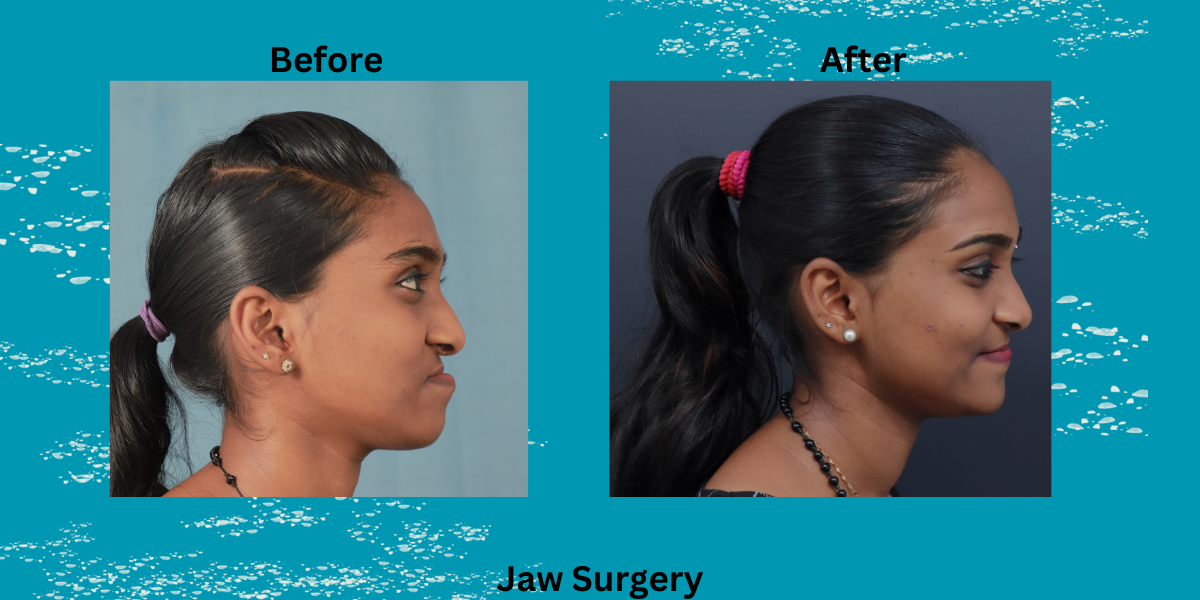
Orthognathic surgery is a procedure used to correct problems related to jaw position and alignment.
It may help patients experiencing:
-
Incorrect bite alignment
-
Facial asymmetry
-
Difficulty chewing
-
Functional jaw problems
These procedures are usually planned with detailed evaluation and may involve collaboration between orthodontists and maxillofacial surgeons.
Facial Trauma and Jaw Fracture Treatment
Facial injuries caused by accidents, sports injuries, or trauma may require specialised surgical care.
Maxillofacial surgeons treat conditions such as:
-
Jaw fractures
-
Facial bone injuries
-
Soft tissue injuries
-
Complex facial trauma
The goal is to restore facial structure, function, and appearance.
Facial Reconstruction Surgery
Facial reconstruction focuses on restoring facial structures affected by:
-
Trauma
-
Congenital conditions
-
Disease-related changes
Treatment may involve correction of facial bones, soft tissues, and functional problems.
Cleft Lip and Palate Surgery
Cleft conditions require specialised treatment and often involve multiple healthcare professionals.
Treatment may involve:
-
Maxillofacial surgeons
-
Plastic surgeons
-
Dentists
-
Speech specialists
The treatment approach depends on the patient's individual condition.

befor after
How to Choose the Best Maxillofacial Surgeon in India?
Finding the right surgeon requires understanding what makes a specialist suitable for your specific condition.
1. Check Qualifications and Specialist Training
A qualified maxillofacial surgeon should have specialised surgical training.
Patients should review:
-
Educational qualifications
-
Surgical training
-
Professional certifications
-
Relevant experience
Specialised training helps surgeons manage complex facial and jaw-related conditions.
2. Consider Experience With Your Required Procedure
Every patient's condition is different.
The surgeon's experience should match your treatment requirement.
For example:
-
Jaw correction requires experience in corrective jaw surgery.
-
Facial injuries require experience in trauma management.
-
Reconstruction cases require relevant reconstructive expertise.
Patients can ask:
-
How often is this procedure performed?
-
What treatment options are available?
-
What is the expected recovery process?
3. Evaluate Hospital Facilities
The treatment environment is an important factor.
Consider:
-
Surgical infrastructure
-
Diagnostic facilities
-
Anaesthesia support
-
Post-operative care
A well-equipped healthcare facility supports safe and effective treatment planning.
4. Understand Diagnosis and Treatment Planning
A proper diagnosis is the foundation of successful treatment.
Evaluation may include:
-
Clinical examination
-
Imaging
-
Dental assessment
-
Facial analysis
Patients should understand:
-
Why surgery is recommended
-
Available alternatives
-
Recovery expectations
-
Follow-up requirements
Dr. Mathew PC — Experienced Maxillofacial Surgeon in India
When choosing a specialist, patients often look for doctors with relevant qualifications, surgical experience, and expertise in their required treatment area.
Dr. Mathew PC is an Oral and Maxillofacial Surgeon based in Kerala.
According to information available on his official website, Dr. Mathew PC has:
-
More than 16 years of surgical experience
-
More than 13,000 surgeries performed
-
Fellowship qualifications from Royal Colleges
His treatment areas include:
-
Corrective jaw surgery
-
Facial trauma treatment
-
Facial reconstruction
-
Cleft-related procedures
-
Facial aesthetic and corrective procedures
Patients should consult with a qualified specialist to understand their individual condition and suitable treatment options.
What Factors Affect Maxillofacial Surgery Cost in India?
The cost of maxillofacial surgery varies depending on several factors.
These include:
-
Type of procedure
-
Complexity of the condition
-
Hospital facilities
-
Diagnostic requirements
-
Anaesthesia
-
Post-operative care
Since every case is different, a consultation is required to understand the expected treatment plan and associated costs.
When Should You Consult a Maxillofacial Surgeon?
You may consider consulting a maxillofacial surgeon if you have:
-
Jaw alignment problems
-
Facial injuries
-
Facial asymmetry
-
Difficulty moving your jaw
-
Complex oral conditions
-
Facial reconstruction requirements
-
Cleft-related concerns
Early consultation can help identify suitable treatment options.
Frequently Asked Questions
What does a maxillofacial surgeon do?
A maxillofacial surgeon diagnoses and treats conditions affecting the mouth, jaw, face, and facial structures, including corrective jaw surgery, trauma treatment, and reconstruction.
How do I choose the right maxillofacial surgeon in India?
Consider qualifications, specialist training, experience with your specific procedure, hospital facilities, and communication style.
Is maxillofacial surgery only related to teeth?
No. Maxillofacial surgery involves the jaw, facial bones, soft tissues, and facial structures in addition to dental-related conditions.
What procedures do maxillofacial surgeons perform?
Conclusion
Choosing the right maxillofacial surgeon requires careful evaluation of qualifications, experience, treatment approach, and patient care standards.
Rather than relying only on general rankings, patients should focus on finding a qualified specialist who understands their condition and provides appropriate treatment guidance.
A consultation with an experienced oral and maxillofacial surgeon can help patients understand their diagnosis, available options, and the most suitable approach for their needs.